
Ibn Abbas
Imam of Medina and eponym of the Maliki school of Islamic jurisprudence.

Unknown author · Public domain
Malik ibn Anas (c. 711–795) was a Muslim scholar, jurist, muhaddith and traditionalist who is the eponym of the Maliki school, one of the four schools of Islamic jurisprudence in Sunni Islam. Born in Medina into the clan of Humayr which belonged to the Banu Taym of Quraysh, Malik studied under Hisham ibn Urwa, Ibn Shihab al-Zuhri, Ja'far al-Sadiq, Nafi ibn Sarjis and others. He rose to become the premier scholar of hadith in his day, referred to as the Imam of Medina by his contemporaries. His views in matters of jurisprudence became highly cherished both in his own life and afterward, becoming the eponym of the Maliki school. His school became the normative rite for Sunni practice in much of North Africa, al-Andalus, a vast portion of Egypt, some parts of Syria, Yemen, Sudan, Iraq, and Khorasan, and the prominent orders in Sufism, the Shadili and Tijani.
- born
- c. 711, Medina
- died
- 795
- field
- Jurisprudence, hadith, traditionalist
- nationality
- Arab, of the Banu Taym of Quraysh
- known_for
- Eponym of the Maliki school; compilation of al-Muwatta'; premier scholar of hadi
Lore & Background
Malik was born as the son of Anas ibn Malik (not the Sahabi with the same name) and Aaliyah bint Shurayk al-Azdiyya in Medina, c. 711. His family was originally from the al-Asbahi tribe of Yemen, but his great grandfather Abu 'Amir relocated the family to Medina after converting to Islam in the second year of the Hijri calendar, or 623 CE. His grandfather Malik ibn Abi Amir was a student of the second Caliph of Islam Umar and was one of those involved in the collection of the parchments upon which Quranic texts were originally written when those were collected during the Caliph Uthman era. Living in Medina gave Malik access to some of the most learned minds of early Islam. He memorized the Quran in his youth, learning recitation from Abu Suhail Nafi' ibn 'Abd ar-Rahman, from whom he also received his Ijazah. He studied under various famed scholars including Hisham ibn Urwah and Ibn Shihab al-Zuhri as well as the famed Imam Jafar al-Sadiq. Both Malik and al Zuhri were student to Nafi Mawla Ibn Umar, prestigious Tabi'un Imam and freed slave of Abdullah ibn Umar. Malik's chain of narrators was considered the most authentic and called Silsilat al-Dhahab or 'The Golden Chain of Narrators' by notable hadith scholars including Muhammad al-Bukhari. The 'Golden Chain' consists of Malik, who narrated from Nafi‘ Mawla ibn ‘Umar, who narrated from Ibn Umar, who narrated from Muhammad. Perhaps Malik's most famous accomplishment is his compilation of al-Muwatta', one of the oldest and most revered Sunni hadith collections and one of 'the earliest surviving Muslim law-book[s].' Composed in the early days of the Abbasid caliphate, Malik's work aimed to trace out a 'smoothed path' through 'the farreaching differences of opinion even on the most elementary questions.' Hailed as 'the soundest book on earth after the Quran' by al-Shafi'i, the compilation of al-Muwatta' led to Malik being bestowed with such reverential epithets as Shaykh al-Islam, Proof of the Community, Imam of the Believers in Hadith, Imam of the Abode of Emigration, and Knowledgeable Scholar of Medina in later Sunni tradition. According to classical Sunni tradition, the Islamic prophet Muhammad foretold the birth of Malik, saying: 'Very soon will people beat the flanks of camels in search of knowledge and they shall find no one more expert than the knowledgeable scholar of Medina.' Malik's most notable student, ash-Shafi'i, later said of his teacher: 'No one constitutes as great a favor to me in the religion of God as Malik ... when the scholars of knowledge are mentioned, Malik is the star.'
Reader's Guide
Malik's significance lies in his foundational role in Islamic jurisprudence and hadith scholarship. He was a strict opponent of anthropomorphism, deeming it absurd to compare the attributes of God with those of man. When a man asked Malik about the meaning of Quran 20:5, 'The Merciful made istiwa over the Throne,' Malik fervently responded: 'The how of it is unknown; the istiwa part is acknowledged; belief in it is obligatory; asking about it is an innovation.' Malik was a supporter of the orthodox Sunni doctrine of the beatific vision, citing Quran 75:22-23 and 83:15 as proof. When asked about the nature of faith, Malik defined it as 'speech and works' (qawlun wa-'amal). Malik seems to have been a proponent of intercession in personal supplication. When the Abbasid caliph al-Mansur asked Malik about whether it was preferable to face the Prophet's tomb or the qibla whilst doing the personal prayer or dua, Malik responded: 'Why should you not face him when he is your means (wasīla) to God and that of your father Adam on the Day of Resurrection?' On the basis of several early traditions, it is evident that Malik held the early Sufis and their practices in high regard. The famous twelfth-century Maliki jurist and judge Qadi Iyad narrated a tradition in which a man asked Malik 'about something in the inward science,' to which Malik replied: 'Truly none knows the inward science except those who know the outward science! When he knows the outward science and puts it into practice, God shall open for him the inward science - and that will not take place except by the opening of his heart and its enlightenment.' Malik inherited his knowledge from the seven jurists of Madinah, known as Fuqahā’ al-Sab‘ah: Ubaydullah ibn 'Abdullah ibn 'Utbah ibn Mas'ud, 'Urwah ibn al-Zubayr, Al-Qasim ibn Muhammad ibn 'Abi Bakr al-Siddiq, Sa-id ibn al-Mussayib, Abū Bakr ibn ʿAbd al-Raḥmān ibn al-Ḥārith ibn Hishām, Sulaymān ibn Yasār, and Khārijah ibn Zayd ibn Thābit.
Did You Know?
- Malik's chain of narrators was called Silsilat al-Dhahab or 'The Golden Chain of Narrators' by notable hadith scholars including Muhammad al-Bukhari.
- Al-Shafi'i hailed al-Muwatta' as 'the soundest book on earth after the Quran.'
- Malik studied under Imam Jafar al-Sadiq, a well-known scholar of his time.
- When asked about the meaning of Quran 20:5, Malik said: 'The how of it is unknown; the istiwa part is acknowledged; belief in it is obligatory; asking about it is an innovation.'
- Malik's grandfather Malik ibn Abi Amir was involved in the collection of the parchments upon which Quranic texts were originally written during the Caliph Uthman era.
Gallery
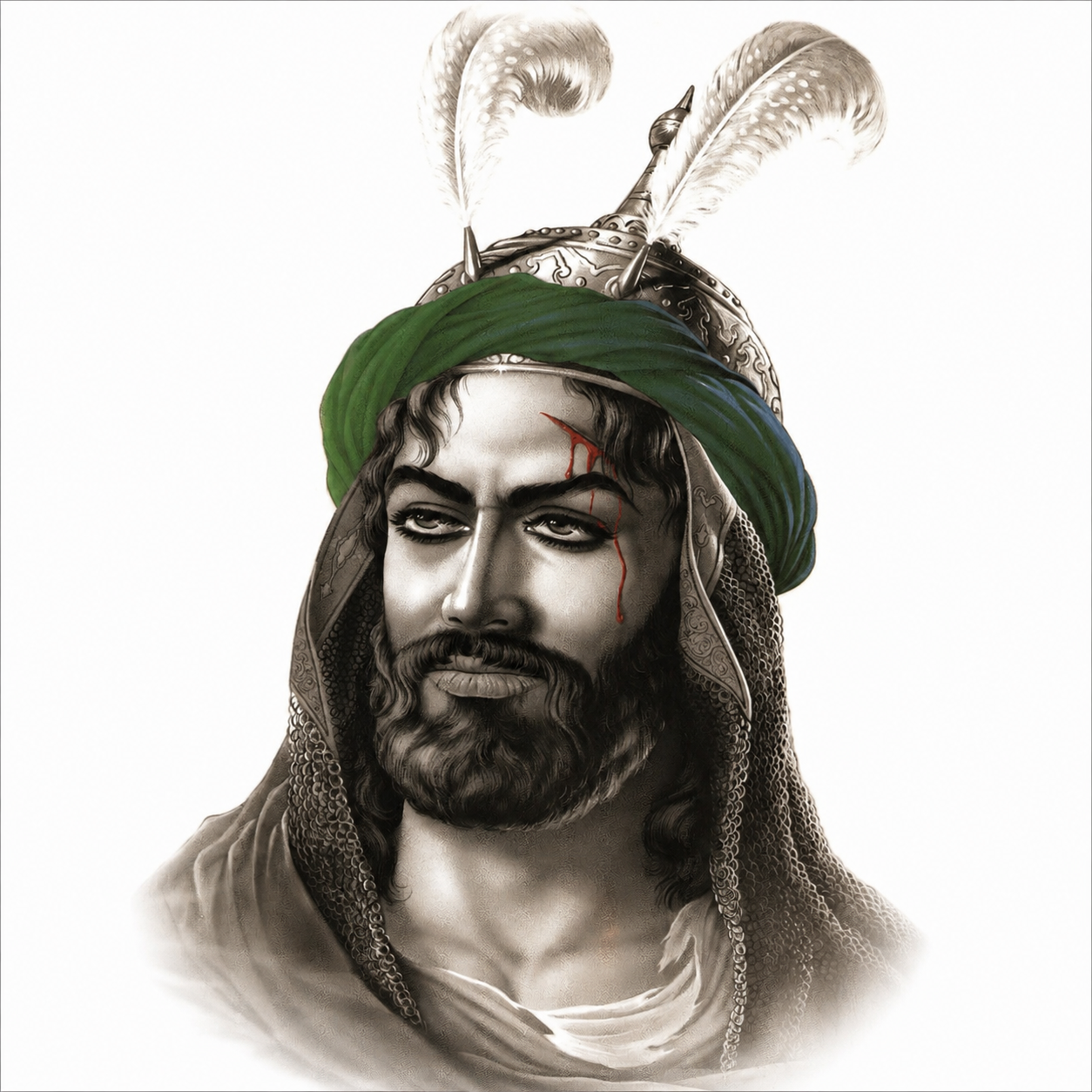
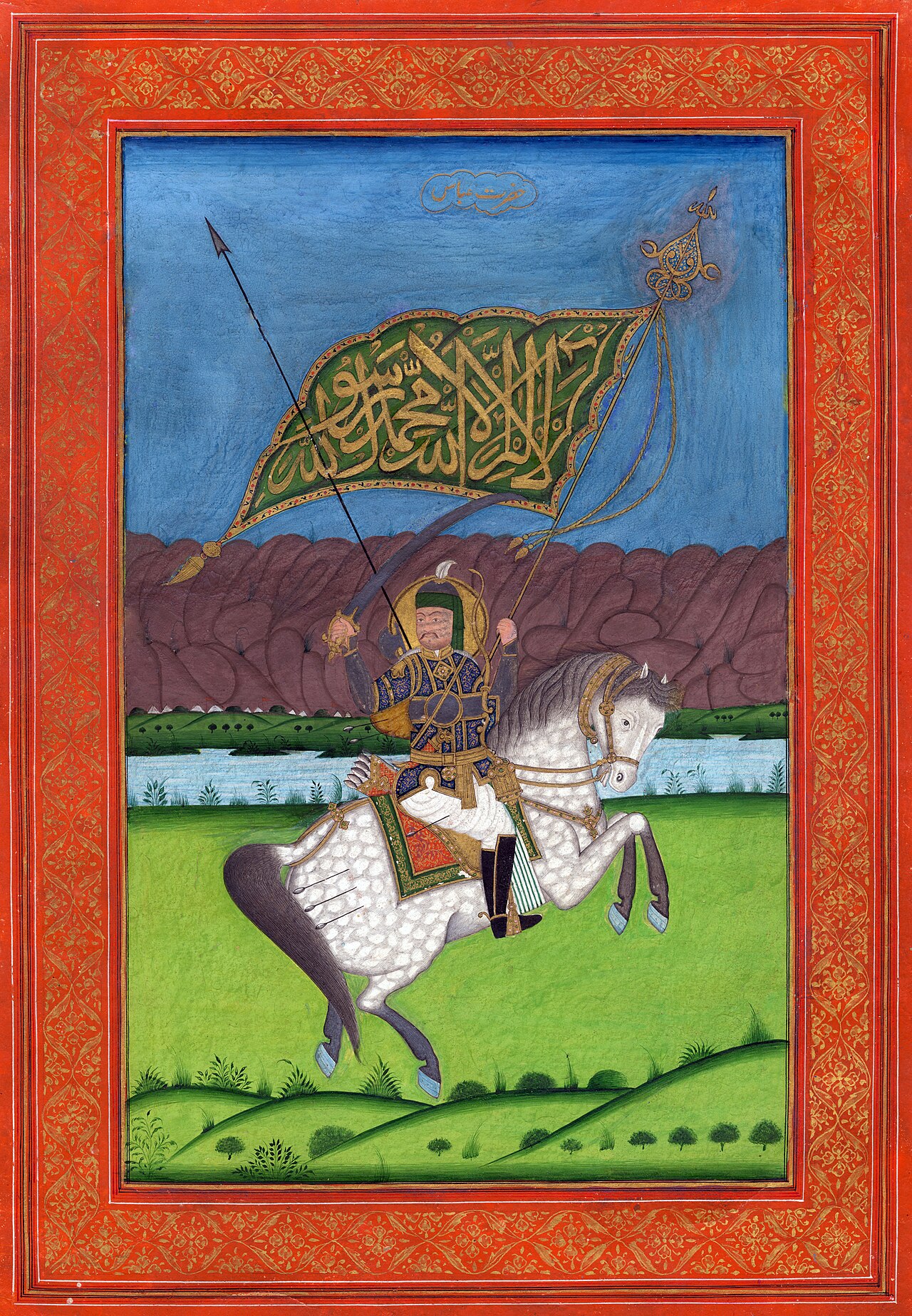

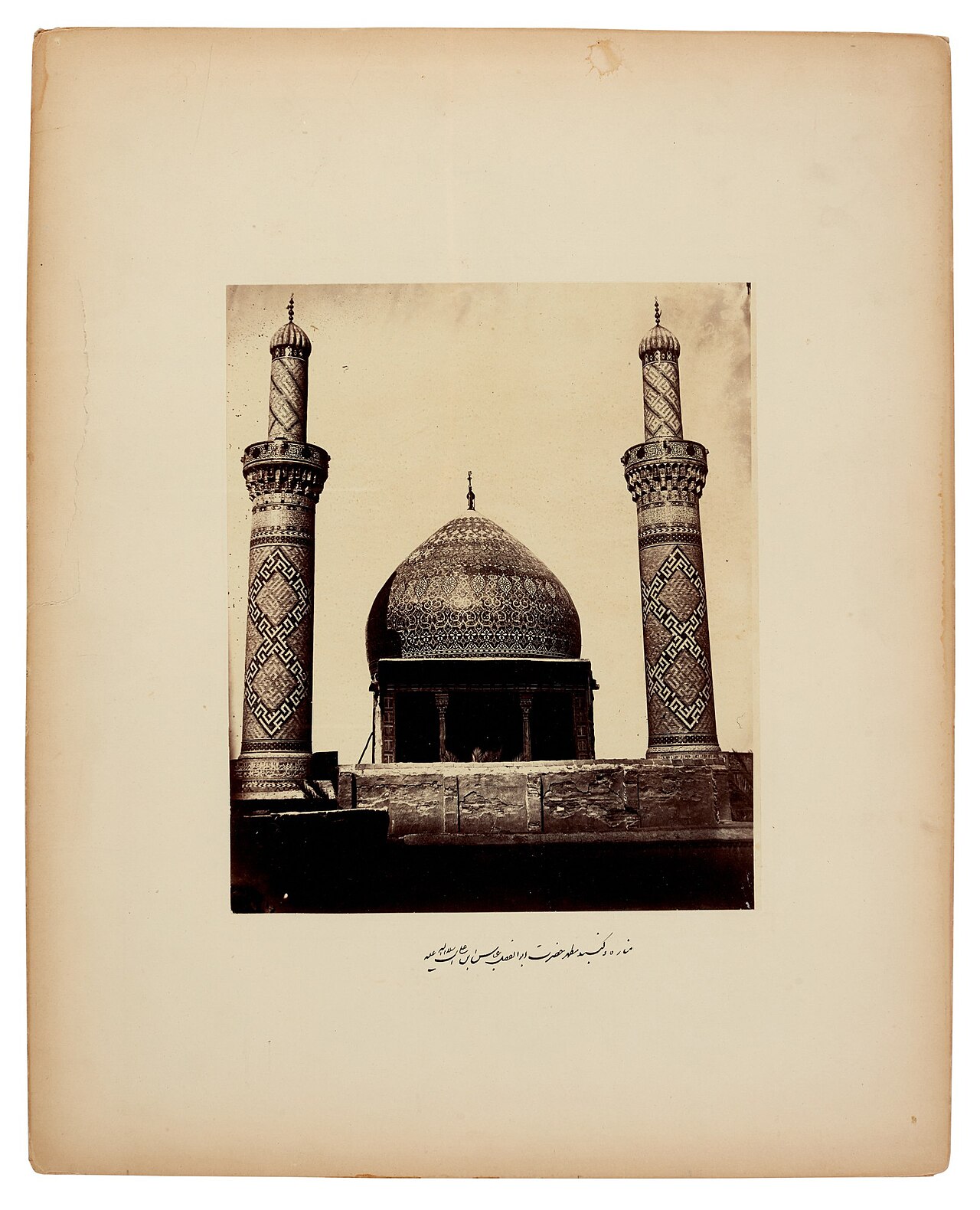
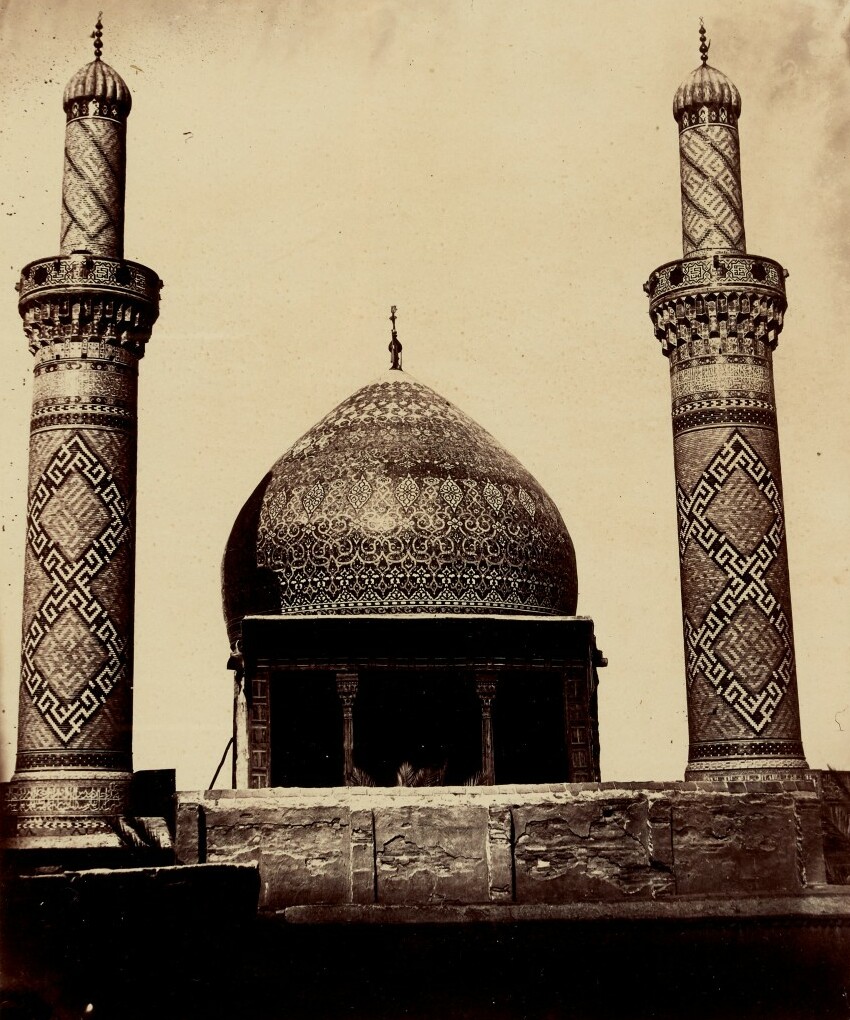

Frequently Asked Questions
Who is Ibn Abbas?
Ibn Abbas (c. 619–687 CE) was a member of the Banu Hashim clan and a cousin of the Prophet Muhammad through his mother Maymunah. He is widely recognized in Islamic tradition as the most prominent early exegete of the Qur'an.
What is Ibn Abbas's primary scholarly contribution?
He is celebrated as the foremost mufassir, having established the foundational Meccan school of Qur'anic interpretation (tafsir). His method emphasized critical, context-sensitive reading of the text alongside a broad command of prophetic traditions.
Why is Ibn Abbas called 'al-Bahr' (the Ocean)?
The title reflects the sheer depth and breadth of his knowledge spanning Qur'anic exegesis, hadith, and Arabic language. Companions and later scholars used the sea metaphor to convey that his learning was as vast and boundless as the ocean.
What political roles did Ibn Abbas hold?
He served as a trusted advisor and representative under Caliph Ali and later maintained a prominent scholarly presence during the early Umayyad period. His political involvement placed him at the center of several key events in early Islamic governance.
How and where did Ibn Abbas die?
He passed away in 687 CE in the city of Taif, in the Hejaz region of the Arabian Peninsula. His death marked the loss of what many later scholars regarded as the single greatest living authority on Qur'anic interpretation of his era.
More in Islamic Scholars & Sages 1-21
Spotted an error? Know more?
This is a living reference — every entry is fact-audited, and reader corrections feed straight into our audit queue. Suggest an edit · See this site's audit record